
The flooring market has changed significantly. Homeowners in 2026 aren’t just asking “What looks good?” They’re asking what performs, lasts, and adds long-term value. With open-concept layouts now the norm, flooring installation decisions carry more weight than ever before.
Today’s buyers want three things from a floor: visual warmth, everyday durability, and resale value. Choosing the wrong material can lead to premature buckling, moisture damage, and costly replacement projects down the road.
This guide breaks down the best materials, real cost comparisons, and what sets professional flooring installation apart so homeowners can make confident, informed decisions.
Top Flooring Installation Materials for Today’s Homes
Luxury Vinyl Plank (LVP):
Luxury vinyl plank flooring has become the top-selling option in residential remodels for good reason. It delivers the look of real hardwood without the vulnerability to moisture, pets, or heavy foot traffic.
What makes LVP stand out in 2026:
- Advanced 3D printing and deep-embossed texturing replicate natural wood grain convincingly
- 100% waterproof rigid core prevents moisture seepage and swelling
- Scratch and dent resistant, holding up against pets, heels, and furniture
- Compatible with radiant heating systems
- Floats over most existing subfloors, reducing installation prep time
LVP is ideal for kitchens, basements, bathrooms, and high-traffic hallways. For families or landlords, it offers 20–25 years of performance at a fraction of the cost of hardwood.
Hardwood Flooring Installation: A Timeless Upgrade That Boosts Home Value
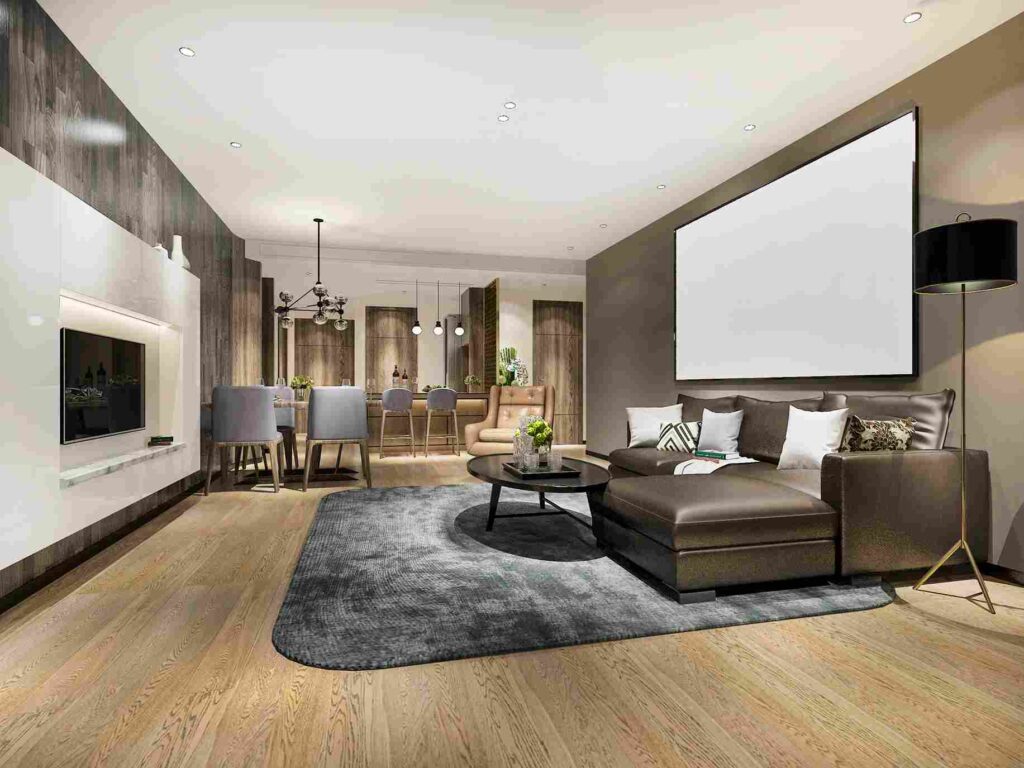
Hardwood flooring installation remains the gold standard for homeowners who want premium aesthetics and long-term equity. Real wood is a one-time investment that pays dividends every time the home changes hands.
Wide-plank European white oak with a low-gloss, wire-brushed matte finish is the trending choice this year, sophisticated, natural, and versatile across modern and traditional interiors.
Why hardwood still wins:
- It can be sanded and refinished multiple times over decades
- Adds measurable resale value versus competing surface types
- Each plank is unique; no two floors look exactly alike
- Lifespan exceeds 50+ years with proper care
The upfront cost is higher, but hardwood is one of the few flooring materials that doesn’t depreciate with age; it appreciates.
Waterproof Flooring Solutions for Open-Concept Living Spaces
Modern open floor plans connect kitchens, living areas, and entryways into a single continuous surface. This makes waterproof flooring options a practical necessity, not just a luxury.
Top waterproof flooring options in 2026:
- SPC Vinyl (Stone Plastic Composite): Fully waterproof, dimensionally stable, and commercial-grade durable
- Engineered Bamboo: Excellent moisture resistance with eco-friendly credentials
- Marine-Grade Laminate: Features sealed, waxed joints that block water from penetrating seams
For homeowners who want a seamless visual flow from entryway to kitchen to bathroom, these materials eliminate the traditional weak points where moisture damage begins.
Budget-Friendly Flooring Guide: Cost vs Long-Term Value
Laminate Flooring Cost Explained: Is It Worth It in 2026?
When solid hardwood isn’t in the budget, laminate flooring offers a compelling alternative. Today’s premium laminates use high-density, moisture-resistant fibreboard cores that outperform older generations in both durability and appearance.
Laminate flooring cost with professional installation typically ranges from $6.00 to $11.00 per square foot in 2026, a significant savings over hardwood while still delivering a polished, long-lasting result.
Comparing Flooring Lifespan, Durability, and Room Suitability
| Material | Material Cost (Sq. Ft.) | Lifespan | Best Room Placement |
| Luxury Vinyl Plank (LVP) | $3.50 – $7.00 | 20–25 Years | Kitchens, Basements, Bathrooms |
| Laminate (Water-Resistant) | $2.50 – $5.50 | 15–20 Years | Living Rooms, Bedrooms, Hallways |
| Solid Hardwood | $8.00 – $15.00 | 50+ Years | Dining Rooms, Main Living Areas |
What to Know Before Starting a Flooring Installation Project
Subfloor Preparation and Moisture Testing
A flawless flooring installation starts before the first plank is ever laid. The subfloor is the foundation, and any issues at this stage will telegraph through the finished surface.
Professional installers always begin with:
- Moisture testing on concrete slabs to rule out seepage or vapor transmission
- Leveling uneven subfloor sections to eliminate high spots and dips
- Checking structural integrity for soft spots or loose areas
Skipping these steps is one of the most common reasons DIY flooring projects fail within the first year.
Why Acclimation Time Matters for Wood and Laminate Floors
Hardwood flooring and laminate are natural materials that expand and contract with changes in temperature and humidity. Rushing the installation without an acclimation period leads to warping, gapping, and cupping.
Best practice: Allow wood and laminate products to sit in the installation space for a minimum of 72 hours before installation. This allows the material to equalize with the home’s ambient conditions.
Choosing the Right Underlayment for Comfort and Noise Control
Underlayment is the silent workhorse of any flooring system. The right choice makes a floor feel better, sound quieter, and last longer.
What to consider:
- Acoustic foam underlayment: Reduces footfall noise and echo in multi-story homes
- Moisture barrier underlayment: Essential over concrete slabs or below-grade spaces
- Combined foam + vapor: Best all-in-one option for most residential applications
Why Professional Flooring Installation Makes a Difference
Avoiding DIY Mistakes
Online tutorials make flooring installation look simple. In practice, common DIY errors cause real damage and fixing them often costs more than hiring a professional from the start.
The most frequent DIY mistakes include:
- Incorrect expansion gap at perimeter walls causes buckling under seasonal movement
- Poor seam staggering creates a visually obvious, structurally weak pattern
- Improper adhesive use for glue-down installations
- Missing transitions at doorways and thresholds, leading to edge damage
- Using the wrong installation method for the subfloor type
What to Expect From a Professional Installation Team
A qualified flooring installation crew handles every detail from subfloor prep to the final transition strip. Here’s what a professional installation includes:
- Full site assessment and moisture evaluation before materials arrive
- Precise subfloor leveling and preparation
- Proper acclimation and layout planning before installation begins
- Factory-spec expansion spacing and perimeter cuts
- Clean baseboard transitions and threshold placements
- Final inspection and walkthrough with the homeowner
Teams like Flooring Essentials & More bring factory-trained craftsmen to every project, ensuring each installation meets manufacturer specifications and looks flawless from edge to edge.
Ready to get started? Flooring Essentials & More offers no-cost consultations and accurate project quotes. Call (512) 366-5553 or visit flooringessential.com to schedule today.
Frequently Asked Questions About Flooring Installation in 2026
Which Flooring Adds the Most Value to a Home?
Solid hardwood flooring installation consistently delivers the highest return at resale. Because it can be refinished and lasts over 50 years, it’s treated as a permanent feature, not a renovation item, by buyers and appraisers alike.
Can You Install LVP Over Existing Tile?
Luxury vinyl plank flooring can be installed as a floating floor directly over existing tile, provided the grout lines are filled flush, the tile is structurally sound, and the surface is completely flat. Lippage or high spots in the tile must be addressed before installation.
How Much Does Laminate Flooring Cost With Installation?
In 2026, laminate flooring costs with professional labor typically fall between $6.00 and $11.00 per square foot, depending on the grade of material, subfloor conditions, and room complexity. Water-resistant cores are worth the upgrade in most applications.
What Is the Best Waterproof Flooring for Pets?
Rigid-core SPC luxury vinyl plank flooring is the top choice for pet owners. It’s 100% waterproof, highly resistant to scratching, and carries a commercial-grade wear layer that holds up under heavy daily use.
How Long Does a Typical Flooring Installation Take?
An experienced crew can complete approximately 500–800 square feet of laminate or vinyl flooring installation per day. Larger spaces, complex room layouts, or projects requiring extensive subfloor prep may extend the timeline. A professional team will provide an accurate project schedule during the initial consultation.
Get a Free Flooring Estimate Today. Flooring Essentials & More serves Austin, Leander, Georgetown, Round Rock, Cedar Park, and surrounding areas. Contact the team for a no-obligation consultation and start your project with confidence.