
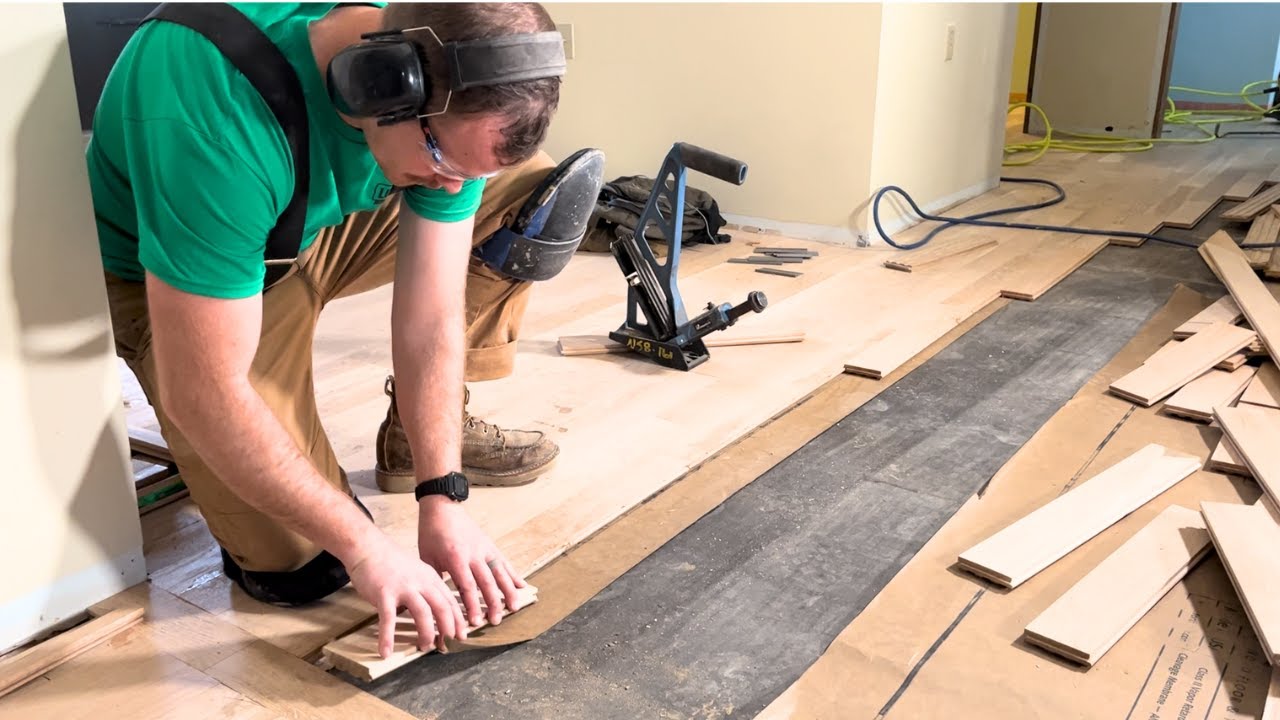
Floors take on more daily wear than almost any other surface in your home — foot traffic, furniture, spills, pets, and everyday life all leave their mark over time. When it’s time for an update, professional floor installation makes the difference between a floor that looks great for a season and one that holds up beautifully for decades. Whether you’re dreaming of warm hardwood, durable vinyl plank, or classic tile, the right flooring contractor services ensure the finished result looks as good as it functions.
Here’s what to know about your material options, the installation process, and how to choose the right team for the job.
Choosing the Right Flooring Material
Every material offers a different balance of look, durability, and maintenance — and the best choice often depends on the specific room.
Hardwood Floor Installation
Few materials match the timeless appeal of wood. Hardwood floor installation adds warmth and long-term value to a home, and can typically be refinished multiple times over its lifespan, making it a durable long-term investment for living rooms, bedrooms, and dining areas.
Engineered Hardwood vs Solid Hardwood
Within the hardwood category, the engineered hardwood vs solid hardwood decision matters. Solid hardwood is a single piece of wood throughout, offering the most refinishing potential but more sensitivity to moisture and temperature changes. Engineered hardwood consists of a real wood veneer layered over a plywood base, offering better stability in areas with fluctuating humidity, though with fewer refinishing options over its lifespan.
Laminate Flooring Installation
Laminate flooring installation offers a budget-friendly way to achieve the look of hardwood or stone, using a durable printed layer topped with a protective wear coating. It’s a popular choice for homeowners wanting style without the higher cost or maintenance demands of natural materials.
Vinyl Plank Flooring Installation
Vinyl plank flooring installation has surged in popularity thanks to its durability, water resistance, and realistic wood or stone-look finishes. This makes it a strong choice for kitchens, bathrooms, and basements — areas where moisture is more of a concern.
Tile Floor Installation
Tile floor installation remains a go-to option for bathrooms, kitchens, and entryways, prized for its water resistance and durability. Options range from ceramic and porcelain to natural stone, each offering different price points and maintenance considerations.
Carpet Installation Service
For bedrooms and living areas where comfort is a priority, carpet installation service still holds strong appeal — offering warmth underfoot and sound absorption that hard flooring simply can’t match.
Waterproof Flooring Options
Moisture-prone areas call for extra consideration. Waterproof flooring options — including many vinyl plank and certain tile products — provide peace of mind in bathrooms, kitchens, laundry rooms, and basements, where standard hardwood or laminate could warp or degrade over time.
What Happens Before Installation: Subfloor Preparation
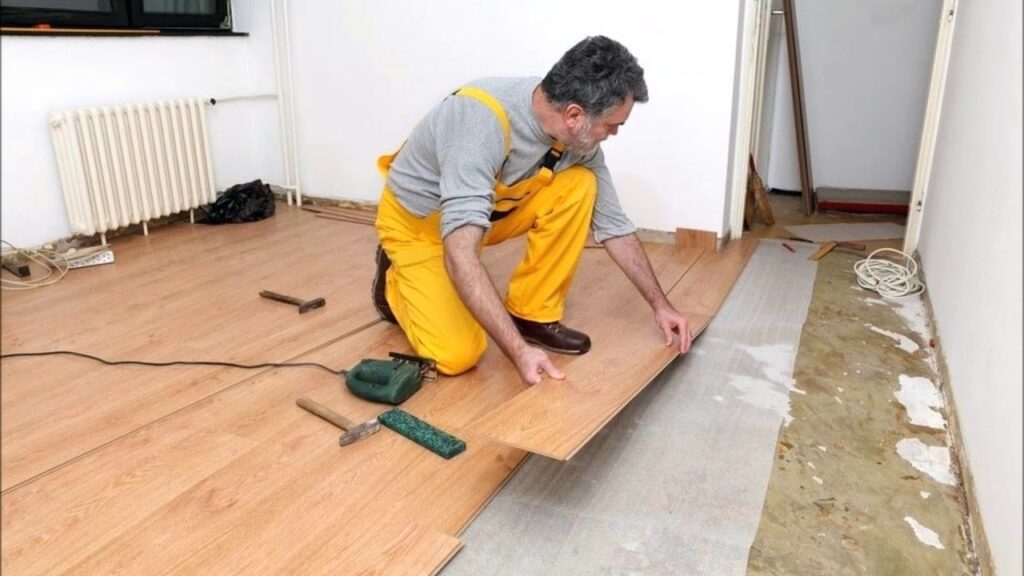
A beautiful floor is only as good as what’s underneath it. Subfloor preparation is one of the most important — and most overlooked — steps in any flooring project. This process typically involves:
- Removing the old flooring material
- Checking for and repairing any subfloor damage, unevenness, or moisture issues
- Ensuring the subfloor is clean, dry, and properly leveled
- Installing underlayment where needed for moisture protection or sound dampening
Skipping proper subfloor prep is one of the most common causes of premature flooring failure, regardless of how high-quality the flooring material itself might be.
The Floor Installation Process
While specifics vary by material, most professional installations follow a similar general sequence:
- Assessment and measurement — Confirming square footage, layout, and any special considerations like transitions between rooms.
- Floor installation and removal — Removing existing flooring and preparing the subfloor as needed.
- Material acclimation — Certain materials, especially hardwood, need time to adjust to the room’s humidity and temperature before installation.
- Installation — Laying the new flooring according to manufacturer specifications, whether that’s nailing, gluing, or floating.
- Finishing details — Installing floor transition strips and trim where flooring meets doorways or different rooms, along with baseboards or quarter-round trim as needed.
Floating Floor Installation: A Faster, Flexible Option
Floating floor installation refers to a method where flooring pieces interlock with each other rather than being nailed or glued directly to the subfloor. This approach — common with laminate and many vinyl plank products — typically installs faster and can be a good option for homeowners wanting to minimize disruption, since it doesn’t require the same drying or curing time as glued installations.
Understanding Floor Installation Cost
Floor installation cost per square foot varies significantly based on a few factors:
- Material choice (laminate and vinyl tend to be more budget-friendly than hardwood or natural stone)
- Subfloor condition and prep work required
- Room complexity, including cuts around corners, closets, or unusual layouts
- Removal of existing flooring, if applicable
A trustworthy flooring contractor services provider will offer a detailed, itemized estimate that separates material and labor costs, so you understand exactly where your budget is going.
How Long Does Floor Installation Take?
Floor installation timeline depends on room size, material type, and whether significant subfloor repair is needed. A single room might take one to two days, while whole-home flooring projects can take a week or more, particularly if multiple material types are involved across different rooms.
Radiant Heated Flooring Installation
For homeowners wanting an extra layer of comfort, radiant heated flooring installation adds an in-floor heating system beneath tile, laminate, or engineered hardwood. This is especially popular in bathrooms and kitchens, providing warmth directly underfoot during colder months. Because this involves an additional electrical or hydronic system, it requires coordination between your flooring installer and, in some cases, an electrician to ensure everything is installed safely and up to code.
Residential vs Commercial Floor Installation
Flooring needs shift depending on the setting.
Residential floor installation typically focuses on comfort, aesthetics, and durability suited to everyday household use.
Commercial floor installation often prioritizes heavy-duty durability, slip resistance, and materials that can withstand higher foot traffic — think retail stores, offices, or restaurants — sometimes requiring specialized commercial-grade products not typically used in residential settings.
Choosing the Right Flooring Contractor
When searching for flooring installation near me, look for:
- A strong portfolio of completed projects using your material of interest
- Proper licensing and insurance
- Transparent, itemized estimates
- Positive reviews mentioning quality workmanship and timeline accuracy
- Willingness to discuss subfloor conditions honestly rather than skipping prep work to save time
Professional floor installers who take subfloor preparation seriously and communicate clearly throughout the process are far more likely to deliver a floor that looks great and lasts for years
Final Thoughts
Your floors set the tone for every room in your home, so getting the installation right matters just as much as choosing the right material. Whether you’re drawn to the warmth of hardwood, the durability of tile, or the practicality of waterproof vinyl plank, professional floor installation ensures a result that looks great and performs well for years to come.
Ready to update your floors? Reach out to a trusted local flooring contractor for a consultation and a personalized estimate
Frequently Asked Questions
How much does floor installation typically cost per square foot? Costs vary by material — laminate and vinyl tend to be more affordable, while hardwood and natural stone cost more. Labor and subfloor prep also factor into the total price.
Is engineered hardwood as durable as solid hardwood? Engineered hardwood is generally more stable in humid or fluctuating environments, though it offers fewer refinishing opportunities over its lifespan compared to solid hardwood.
How long does it take to install new flooring? A single room typically takes one to two days, while whole-home projects can take a week or more depending on material type and subfloor condition.
What is a floating floor installation? It’s a method where flooring pieces interlock together rather than being nailed or glued to the subfloor — common with laminate and vinyl plank, and often faster to install.
Do I need to replace my subfloor before installing new flooring? Not always, but any damage, unevenness, or moisture issues should be addressed before installation to prevent premature wear or failure of the new flooring..