
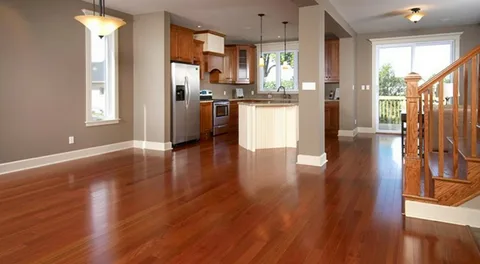
Few materials bring the same warmth, character, and long-term value to a home as real wood underfoot. Hardwood flooring has remained a top choice for generations, and for good reason it’s durable, timeless, and unlike many other flooring materials, it can be refinished and restored rather than replaced when it starts to show its age. Whether you’re installing hardwood for the first time or refinishing floors that have been in your home for decades, understanding your options helps you get the most out of this classic investment.
Why Homeowners Choose Hardwood
Hardwood flooring offers a combination of benefits that’s hard to match:
- A natural, timeless look that suits nearly any design style
- Long-term durability, often lasting decades with proper care
- The ability to sand and refinish rather than replace when wear shows
- A strong return on investment, since hardwood consistently ranks among the most desired flooring types for homebuyers
This lasting appeal is exactly why hardwood floor installation remains one of the most requested upgrades among homeowners renovating or updating their homes.
Solid Hardwood vs Engineered Hardwood
One of the first decisions in any hardwood project is choosing between two main construction types.
Solid hardwood flooring is milled from a single, solid piece of wood, offering the greatest potential for sanding and refinishing over its lifespan — often multiple times across many decades. It’s best suited for above-grade rooms with stable humidity levels, since solid wood is more sensitive to moisture fluctuations.
The engineered hardwood vs solid hardwood comparison often comes down to environment. Engineered hardwood consists of a real wood veneer layered over a stable plywood base, making it more resistant to humidity and temperature swings. This makes it a better fit for basements or homes in climates with significant seasonal humidity changes, though it typically offers fewer refinishing opportunities than solid wood.
Choosing a Wood Species
Wood species affects appearance, hardness, and price.
Oak hardwood flooring remains one of the most popular choices, valued for its durability, classic grain pattern, and wide availability in various stains and finishes.
The hickory vs oak flooring comparison comes up frequently for homeowners wanting something a bit more distinctive. Hickory offers a more dramatic, rustic grain pattern and is notably harder than oak, making it an excellent choice for high-traffic households, including those with active pets.
Beyond oak and hickory, species like maple, walnut, and cherry each bring their own character, hardness level, and price point to consider based on your design goals and budget.
Prefinished vs Unfinished Hardwood
Another key decision involves finish timing. Prefinished vs unfinished hardwood each come with distinct advantages:
- Prefinished hardwood arrives with the stain and protective coating already applied at the factory, meaning faster installation and no on-site fumes or drying time.
- Unfinished hardwood is sanded and finished on-site after installation, allowing for a perfectly seamless, flush surface between boards and more customization in stain color, but requiring additional time for the finishing process to be completed.
Wide Plank Hardwood Flooring: A Design Trend With Staying Power
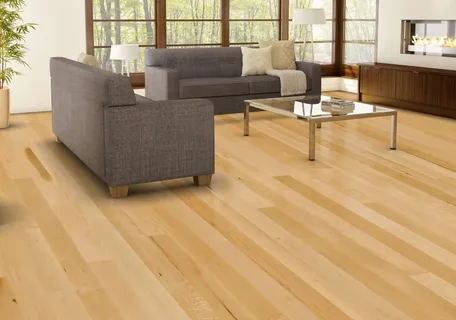
Wide plank hardwood flooring has grown significantly in popularity, offering a more open, modern look compared to traditional narrow strip flooring. Wider boards showcase the wood grain more dramatically and can make a room feel more spacious, though they may show seasonal expansion and contraction more visibly than narrower planks — something worth discussing with your installer based on your home’s climate.
Hardwood Flooring for Kitchens: Is It a Good Idea?
Hardwood flooring for kitchens is a common question, since kitchens see more moisture exposure than most other rooms. While hardwood can absolutely work in a kitchen — and many homeowners love the warm, cohesive look it creates flowing from adjacent living spaces — it requires diligence about spills and proper sealing. Engineered hardwood, with its added moisture resistance, is often a more practical choice for this particular room.
The Hardwood Installation Process
Understanding the hardwood flooring installation process helps set expectations for your project:
- Acclimation — Wood flooring needs time (often several days) to adjust to your home’s humidity and temperature before installation begins.
- Subfloor preparation — Ensuring the subfloor is clean, dry, and level, which is critical for a smooth, long-lasting result.
- Installation — Boards are nailed, glued, or floated into place depending on the product and subfloor type.
- Sanding (for unfinished hardwood) — The surface is sanded smooth and even before finishing.
- Staining and sealing — Hardwood floor sanding and staining is completed, followed by a protective topcoat to seal and protect the wood.
Understanding Hardwood Flooring Cost
Hardwood flooring cost per square foot and overall hardwood floor installation cost depend on several factors:
- Wood species and grade
- Solid vs engineered construction
- Plank width and board length
- Prefinished vs unfinished (unfinished typically adds labor cost for on-site finishing)
- Room complexity and subfloor condition
A trustworthy installer will provide a detailed breakdown separating material and labor costs, helping you understand exactly where your budget is going.
Hardwood Floor Refinishing: Restoring Worn Floors
One of hardwood’s biggest advantages is that it doesn’t need to be replaced when it starts to look tired. Hardwood floor refinishing — through professional hardwood floor sanding and staining — can restore even significantly worn floors to a like-new appearance, often for a fraction of the cost of full replacement. This process is also an opportunity to change your floor’s color entirely if your design preferences have shifted since the original installation.
Repairing Common Hardwood Issues
Even well-maintained hardwood floors experience wear over time.
Hardwood floor scratches and dents are common, especially in high-traffic households, but many can be addressed through spot sanding and refinishing rather than board replacement, provided the damage hasn’t penetrated too deeply into the wood.
Hardwood floor water damage repair addresses a more serious concern — warping, cupping, or discoloration caused by moisture exposure. In many cases, affected boards can be individually replaced rather than requiring a full floor replacement, provided the damage is caught and addressed promptly.
For general wear and tear, hardwood floor repair services can address individual damaged boards, squeaky spots, or minor structural issues without the cost and disruption of a full refinishing project.
Color Options and Design Flexibility
Hardwood floor color options have expanded well beyond traditional honey and oak tones. Today’s stains range from rich, dark espresso tones to light, Scandinavian-inspired whitewashed finishes, giving homeowners significant flexibility to match evolving design trends without changing the underlying wood species.
Maintaining Your Hardwood Floors
Simple, consistent care goes a long way toward protecting your investment. A few key hardwood floor maintenance tips:
- Sweep or vacuum regularly to prevent dirt and grit from scratching the surface
- Wipe up spills promptly to avoid moisture damage
- Use furniture pads under heavy items to prevent dents
- Avoid excessive water when cleaning; use a hardwood-specific cleaner instead
- Maintain consistent indoor humidity to minimize expansion and contraction
Finding the Right Hardwood Flooring Professional
When searching for hardwood flooring near me, look for:
- Experience with your specific wood species and installation type
- A portfolio showcasing both installation and refinishing work
- Transparent, itemized estimates
- Positive reviews mentioning craftsmanship and attention to detail
Final Thoughts
Hardwood flooring offers a rare combination of timeless style and long-term practicality — a floor that can be restored rather than replaced as it ages, and one that consistently adds value to a home. Whether you’re installing new hardwood flooring for the first time or refinishing floors that have served your family for years, this classic material remains one of the smartest investments you can make in your home.
Ready to install new hardwood or refinish existing floors? Reach out to a trusted local hardwood flooring specialist for a consultation and a personalized estimate.
Frequently Asked Questions
Is engineered hardwood as good as solid hardwood? Engineered hardwood offers better moisture resistance and stability, making it ideal for basements or humid climates, though it typically allows for fewer refinishing cycles than solid hardwood over its lifespan.
How often can hardwood floors be refinished? Solid hardwood can often be refinished multiple times over several decades, depending on the wood’s thickness. Engineered hardwood can usually be refinished once or twice, depending on the veneer thickness.
Is hardwood flooring a good choice for kitchens? It can be, especially engineered hardwood with added moisture resistance, but it requires attention to spills and proper sealing to prevent water damage over time.
How much does hardwood flooring cost per square foot? Costs vary based on wood species, plank width, and whether it’s prefinished or unfinished, generally ranging from moderate to premium pricing depending on these choices.
Can scratched or damaged hardwood floors be repaired instead of replaced? In most cases, yes. Minor scratches and dents can often be addressed through sanding and refinishing, while water-damaged boards can frequently be individually replaced rather than requiring full floor replacement.